
Why Can Holiday Car Accidents be so Deadly?
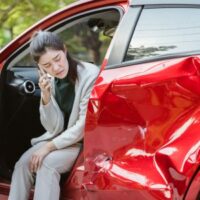
Holiday travel can bring more traffic, fatigue, unfamiliar roads, and other risks that make preparation and safe driving especially important.
The holidays are a time of year people look forward to, often because there is simply more of everything. More activities are packed into the day, more music is playing, more lights are on display, more food is shared, and more time is spent with family and friends.
Unfortunately, part of this holiday “much-ness” can also contribute to an increased risk of serious car accidents. There may be long drives to visit family, busy days, crowded airports, unfamiliar roads, winter weather, fatigue, and increased traffic. Alcohol may also be present at holiday gatherings, creating additional risks when impaired drivers get behind the wheel.
These circumstances can combine to create a period in which the risk of catastrophic car injuries may become more concentrated. The consequences of holiday and impaired driving can be severe, making prevention and a careful response after an accident especially important.
Quick Take: Why Can Holiday Driving Be More Dangerous?
Holiday travel can mean heavier traffic, longer trips, tired drivers, unfamiliar roads, winter weather, and a greater possibility of impaired driving. Taking extra time to plan ahead and drive carefully may help reduce unnecessary risks.
How Dangerous Is Holiday Travel?
Holiday periods can bring a significant number of additional vehicles onto the road. The National Safety Council has consistently reported elevated numbers of motor-vehicle fatalities surrounding major holidays and holiday weekends. During recent Thanksgiving travel periods, for example, the organization estimated hundreds of roadway fatalities over the holiday weekend.
More vehicles on the road generally mean more congestion and more opportunities for something to go wrong. Drivers may also be traveling through unfamiliar areas, driving later than usual, dealing with stressful schedules, or attempting to complete long trips while fatigued.
Winter weather can further complicate travel. Snow, ice, reduced visibility, shorter daylight hours, and changing road conditions can all require drivers to adjust their speed and driving behavior.
Why Holiday Travel Creates Additional Risk
The danger is often not caused by one factor alone. Heavy traffic, fatigue, poor weather, unfamiliar roads, and impaired driving can overlap, making careful planning particularly important during busy holiday travel periods.
Making Holiday Travel Safer
Preparing before you begin your trip can help reduce some of the stress and risk associated with holiday travel. Consider the following steps when planning a long drive:
Plan safer driving windows
Expect heavier traffic during major holiday travel periods. When possible, plan your departure around congestion, leave yourself plenty of time, and avoid creating a schedule that encourages rushed or aggressive driving.
Never drive while impaired
If alcohol or another impairing substance is involved, make arrangements before traveling. A sober driver, rideshare, taxi, public transportation, or a safe place to stay can help prevent a dangerous decision.
Share driving duties when possible
Long drives can lead to fatigue. When another qualified driver is available, sharing driving responsibilities may help reduce exhaustion and give everyone an opportunity to rest.
Holiday Driving Safety Guide
Scroll horizontally through the guide below for several practical reminders to keep in mind before and during holiday travel.
Give Yourself Extra Time
Holiday traffic can make even familiar trips take longer. Build extra time into your schedule so you are less likely to rush.
Watch for Fatigue
Long drives, late nights, and busy schedules can leave drivers exhausted. Take appropriate breaks and avoid pushing through dangerous fatigue.
Prepare for Winter Roads
Ice, snow, reduced visibility, and darkness can require slower speeds and additional following distance.
Have a Safe Ride Plan
Never leave decisions about impaired driving until the end of the night. Make transportation arrangements before attending a gathering.
Stay Focused on the Road
Holiday schedules can be hectic, but distractions behind the wheel can have serious consequences. Keep your attention on driving.
What to Do If You’re Involved in a Crash
Even careful drivers cannot control every situation on the road. If you are involved in a holiday car accident, taking appropriate steps afterward can help protect your health and preserve important information.
After a Crash, Consider These Important Steps
- Call 911: Report the crash and request medical assistance when needed. Some serious injuries may not immediately produce noticeable symptoms.
- Take photographs: Document vehicle damage, road conditions, traffic signs, visible injuries, and other important details while it is safe to do so.
- Get witness information: Witnesses may have observed important details about how the accident occurred. Collect names and contact information when possible.
- Notify your insurance company: Report the accident and provide accurate factual information. Keep copies of communications and other accident-related documents.
Preserving Information Can Matter
Accident scenes can change quickly. Photographs, witness information, police reports, medical records, and insurance documents may become important when determining what happened and evaluating a potential claim.
Why Holiday Car Accident Claims Can Be Complex
Holiday crashes may involve circumstances that make insurance claims and personal injury cases more complicated. Drivers may be traveling from another state, operating rental vehicles, or dealing with multiple insurance companies.
The specific circumstances surrounding an accident can affect the available insurance coverage, the evidence that should be preserved, and the legal options that may be available. An experienced attorney can help evaluate the facts of a particular case and explain the next steps.
Frequently Asked Questions About Holiday Car Accidents
Why are holiday weekends often associated with more car accidents?
Holiday periods can bring heavier traffic, longer trips, fatigue, unfamiliar roads, winter weather, and an increased possibility of impaired driving. These factors can increase the number of risks drivers encounter.
Should I seek medical attention after a crash if I feel okay?
Some injuries may not immediately produce noticeable symptoms. Seeking appropriate medical evaluation can help protect your health and document injuries that may be related to the accident.
What should I photograph after an accident?
When it is safe to do so, photographs of vehicle damage, the accident scene, road conditions, traffic controls, debris, visible injuries, and other relevant details may help preserve important information.
Can an out-of-state driver affect my Illinois accident claim?
An accident involving an out-of-state driver may involve additional insurance or legal considerations. The facts of the crash and the applicable insurance policies can affect how a claim proceeds.
When should I speak with a car accident attorney?
You may want to speak with an attorney if you were injured, have questions about insurance coverage, are dealing with multiple parties or insurers, or want to better understand your legal options.
Questions About a Holiday Car Accident?
Holiday crashes can be especially complex and may involve out-of-state drivers, rental vehicles, multiple insurance companies, and serious injuries. The team at Patel Law, PC can help you better understand your options and the legal process moving forward.
An experienced Springfield auto accident attorney with Patel Law, PC can discuss the circumstances of your accident and help you understand your next steps.
Call Patel Law, PC
Learn More About Patel Law, PC
Source
UCI Health – Holiday Accident Prevention and Safety Information
