
Fender Bender or Full-Blown Crash? Here’s Your Game Plan After a Champaign Car Accident
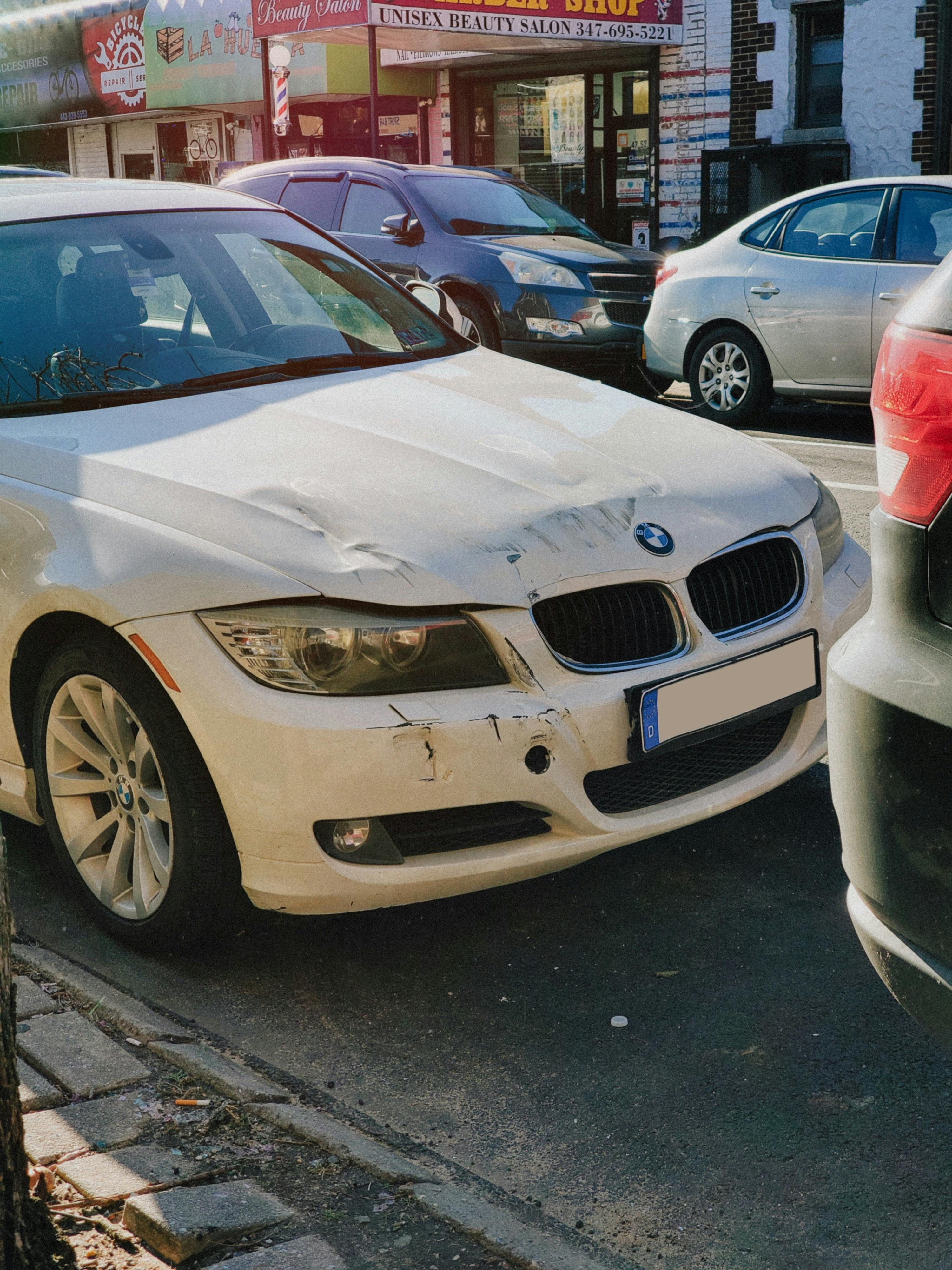
Nobody wakes up planning to get into a car accident. Yet thousands of Illinois drivers find themselves staring at a crumpled bumper every year, heart racing, unsure of what to do next.
Your First Five Steps After a Champaign Car Accident
The moments after a collision can feel chaotic. Breaking the process down into a few clear steps can help you focus on what matters most.
Stop and Check for Injuries
Make sure you, your passengers, and others involved are safe. If possible and safe to do so, move vehicles out of traffic and turn on your hazard lights.
Contact the Police When Necessary
A police report can document important details about the accident, including statements, conditions at the scene, and information about the people involved.
Exchange Information
Collect the other driver’s identifying and insurance information and make sure you know how to obtain the accident report.
Document the Scene
Use your phone to photograph the vehicles, damage, road conditions, traffic signs, and other details that may later be important.
Watch What You Say and Protect Your Claim
Stick to the facts, seek medical attention when needed, and be cautious about making statements that speculate about fault or the extent of your injuries.
Stop, Breathe, and Check for Injuries
Your first move isn’t to call your insurance agent or start drafting an angry text to the other driver. It’s to make sure everyone is safe. Move your vehicle out of traffic if you can do so safely, turn on your hazard lights, and check yourself and your passengers for injuries.
Adrenaline is a sneaky thing. It can mask pain from a concussion or whiplash for hours, so even if you feel “fine,” it’s worth getting checked out.
Illinois law doesn’t leave this step optional. Drivers involved in a crash that causes injury, death, or significant property damage must stop and exchange information, and in many cases must notify police using the fastest method available. Skipping this step isn’t just risky; it can carry legal consequences under 625 ILCS 5/11-403.
Why This Matters
Your health comes first. Some accident injuries are not immediately obvious, and documenting injuries through prompt medical care may also become important if you later pursue an Illinois personal injury claim.
Call the Police, Even for “Minor” Crashes
It’s tempting to think a low-speed fender bender doesn’t need police involvement. But here’s the thing: a police report is one of the most persuasive pieces of evidence you can have later, whether you’re dealing with your own insurer or the other driver’s.
Officers document the scene, note statements, and sometimes identify violations that point straight to fault.
If officers don’t respond to the scene, Illinois law may still require a written crash report depending on the circumstances. Under 625 ILCS 5/11-408, crash reporting requirements can apply following certain accidents involving injury or significant property damage.
Police Report
Can document the location, parties involved, statements, and observations made shortly after the crash.
Independent Evidence
Photos, video, witnesses, and physical evidence may help establish what happened when the people involved disagree.
Document Everything Like You’re Building a Case (Because You Might Be)
Your phone is your best friend right now. Use it. Here’s what to capture before you leave the scene:
Vehicle Damage
Photograph all vehicles, license plates, and visible damage.
The Surrounding Scene
Take wide shots of the intersection, skid marks, traffic signs, and road conditions.
Driver Information
Collect the other driver’s name, contact information, and insurance details.
Witness Information
Get the names and contact information of anyone who saw the accident.
Officer Information
Record the responding officer’s name and badge number when available.
Memories fade, but photos and notes don’t. Champaign winters and busy intersections like Neil Street and Springfield Avenue can change quickly, so capturing the scene as it actually looked matters.
Quick Tip
Take more photos than you think you need. Damage can be repaired, vehicles can be moved, and road conditions can change quickly after an Illinois car accident.
Watch What You Say, and Watch the Clock
Be polite at the scene, but resist the urge to apologize or speculate about fault. “I’m so sorry, I didn’t see you” can sound like an admission later, even if you were simply being kind. Stick to facts when speaking with police and insurance adjusters.
Also keep an eye on deadlines. Illinois generally gives injury victims two years from the date of an accident to file a personal injury lawsuit. That sounds like plenty of time, until you’re juggling medical appointments, missed paychecks, and an insurance company in no hurry to pay what you’re owed.
At the Accident Scene
Stick to the facts and avoid guessing about who caused the collision or how seriously you may be injured.
After You Leave
Keep track of medical treatment, expenses, missed work, and communications with insurance companies.
Before a Deadline Passes
Understanding applicable legal deadlines early can help protect your ability to pursue compensation.
Common Misconception
You do not necessarily know the full extent of an accident injury at the scene. Pain and other symptoms can develop later, which is one reason medical evaluation and careful documentation can be important after a crash.
Let’s Talk About What Comes Next
A car accident can turn your week, or your year, upside down. Between medical bills, vehicle repairs, and insurance adjusters who seem more interested in protecting their bottom line than yours, it’s a lot to handle alone. That’s where having the right team in your corner makes a real difference.
If you’ve been hurt in a crash, our Champaign car accident attorneys at Patel Law, PC are ready to help you sort through the chaos and fight for the compensation you deserve.
Talk With Patel Law, PC
If you have been injured in a Champaign or central Illinois car accident, our team can help you understand your options and evaluate the next steps in your case.
Call us: 217-384-1111
Frequently Asked Questions After an Illinois Car Accident
What should I do immediately after a car accident in Illinois?
Focus first on safety and injuries. If it is safe to do so, move vehicles out of traffic, exchange information, contact law enforcement when required, and document the accident scene.
Should I call the police after a minor car accident?
Police involvement can help create an official record of the accident. Illinois reporting requirements depend on the circumstances of the crash, including injuries and property damage.
What information should I collect at the accident scene?
Collect identifying and insurance information from the other driver and, when possible, document vehicle damage, the roadway, traffic controls, witnesses, and other conditions at the scene.
How long do I have to file a personal injury lawsuit after a car accident in Illinois?
Illinois generally has a two-year deadline for many personal injury lawsuits, although the specific deadline can depend on the facts of the case and exceptions may apply.
Should I talk to an insurance company after a car accident?
You may need to communicate with insurance companies after a crash, but it is important to stick to accurate facts and understand your rights before accepting responsibility or agreeing to a settlement.
Source
Illinois General Assembly — 625 ILCS 5/11-403
