
Should I Take a Breathalyzer Test in Illinois?
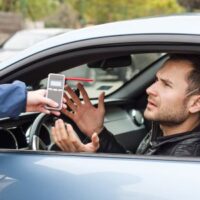
Understanding the difference between roadside and post-arrest chemical testing can help Illinois drivers recognize the potential consequences of submitting to or refusing a breath, blood, or urine test during a DUI investigation.
At the moment you are asked to submit a breath sample to a law enforcement officer, it may feel like there are no good options, especially if you believe you may be under the influence. Refusing a chemical test can potentially result in a longer driver’s license suspension while still leaving you facing DUI charges. Submitting to testing, on the other hand, may provide law enforcement with evidence of your blood alcohol concentration.
In many DUI investigations, an officer may ask a driver to take a breath test. If an officer suspects drug impairment, law enforcement may instead request a blood or urine sample depending on the circumstances. Refusing certain post-arrest chemical testing may carry significant consequences under Illinois law.
Understanding the difference between a roadside preliminary breath test and chemical testing requested after an arrest is important. This article provides a general discussion of those differences and the potential consequences of submitting to or refusing testing.
Quick Answer: Can You Refuse a Breathalyzer Test in Illinois?
A driver may face different consequences depending on whether the requested test is a roadside preliminary breath test or an evidentiary chemical test requested after an arrest. Refusing a roadside test may have different consequences than refusing chemical testing at a police station or other authorized location.
The Difference Between the Roadside Breathalyzer Test and the Test at the Station
There can be a significant difference between the Portable Breath Test, often referred to as a PBT, that an officer may offer during a traffic stop and the evidentiary breath test that may be requested after a DUI arrest.
During a traffic stop, an officer may ask a driver to blow into a portable device that provides an immediate reading. These devices are generally used as part of a DUI investigation and may help an officer determine whether there is probable cause for an arrest.
Roadside Portable Breath Test
A portable breath test may be offered during a traffic stop as part of an officer’s investigation. The results may be used by law enforcement when evaluating whether there is probable cause to make an arrest.
Evidentiary Chemical Testing
After an arrest, law enforcement may request an evidentiary breath, blood, or urine test. The legal consequences of refusing this type of testing can be substantially different from declining a roadside preliminary breath test.
Portable roadside breath testing is generally different from the testing conducted at a police station or other authorized location. A driver should understand which type of test is being requested before making decisions about how to respond.
Roadside Testing and Probable Cause
Even when a driver declines a roadside preliminary breath test, an officer may still make an arrest based on other observations and evidence. These may include driving behavior, physical observations, field sobriety testing, statements, and other circumstances surrounding the traffic stop.
What Happens If You Submit to a Breathalyzer Test at the Police Station?
Drivers who submit to evidentiary breath testing after an arrest may be required to follow specific procedures. Before administering the test, an officer may observe the driver for a required period of time to help ensure that the testing procedure is properly conducted.
The officer may explain how the driver is expected to provide a breath sample. The testing device may then generate a result showing the driver’s reported blood alcohol concentration.
Observation Period
An officer may observe the driver before administering the evidentiary test as part of the required testing procedure.
Providing a Breath Sample
The driver may be instructed regarding how to provide an adequate breath sample for the testing equipment.
Test Results
The results of evidentiary chemical testing may become an important part of the evidence considered in a DUI case.
A positive breath test result may make defending a DUI case more complicated, but it does not automatically determine the outcome of every case. Issues involving the traffic stop, arrest, testing procedures, equipment, and other evidence may all potentially be relevant.
What Happens If You Refuse Chemical Testing?
Refusing evidentiary chemical testing after a DUI arrest can have significant consequences. Depending on the circumstances and the driver’s history, a refusal may result in a statutory summary suspension of driving privileges that differs from the suspension associated with submitting to testing and receiving a result above the applicable legal limit.
Refusing a breath, blood, or urine test does not necessarily prevent the State from pursuing DUI charges. Prosecutors may rely on other evidence from the traffic stop and arrest.
Other Evidence That May Be Used in a DUI Case
- Driving behavior observed before the traffic stop
- An officer’s observations regarding appearance or behavior
- Statements made to law enforcement
- Field sobriety testing
- Video or audio recordings
- Witness testimony
- Other chemical or physical evidence
Because both submitting to and refusing chemical testing can have serious consequences, speaking with an experienced DUI defense attorney can be important after an arrest.
Potential Defenses in a DUI Case
A DUI charge can involve more than the results of a breathalyzer test. An attorney may review numerous aspects of the investigation when evaluating potential defenses.
Issues That May Be Examined in a DUI Defense
- The reason for the initial traffic stop
- Whether law enforcement had probable cause for an arrest
- Whether testing procedures were properly followed
- The reliability and maintenance of testing equipment
- The circumstances surrounding a refusal or alleged refusal
- Whether other evidence supports the allegations
Talk to a Macon, IL DUI Attorney Today
If you have been pulled over and charged with DUI, an experienced criminal defense attorney can review the circumstances surrounding your traffic stop, arrest, and any chemical testing that was requested or performed.
If you have questions about a DUI charge, the Champaign criminal defense lawyers at Patel Law, PC can help. Call our office today to schedule an appointment and discuss your circumstances with our experienced legal team.
Questions About a DUI Breath Test?
The decisions made during a DUI investigation can have significant consequences for your driving privileges and your criminal case.
The legal team at Patel Law, PC can discuss your circumstances and help you understand the options that may be available to you.
Call Patel Law, PC
Learn More About Patel Law, PC
