
Nursing Home Sued After Man Is Killed by Fellow Resident
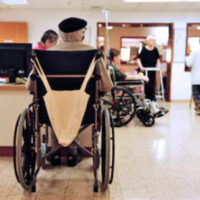
A wrongful death lawsuit alleges that Salem Village staff knew another resident presented a safety risk but failed to adequately protect a resident during a fatal assault.
Salem Village Nursing and Rehabilitation Center in Joliet was sued by the family of former resident Michael Pappas after he died following an alleged assault by another resident inside the facility. The lawsuit was filed shortly after Salem Village notified Illinois health care regulators that it planned to close its nursing home and rehabilitation center at 1314 Rowell Ave.
According to the wrongful death lawsuit reported by Joliet Patch, the other resident, William “Bill” Paschall, had allegedly been known to Salem Village staff as someone with anger issues who engaged in threatening, erratic, and abusive behavior toward staff members and other residents. The lawsuit alleges that the fatal encounter occurred on November 17, 2023, in the facility’s sixth-floor laundry room.
Quick Answer
The lawsuit alleges that Salem Village failed to properly monitor both residents, failed to protect Pappas from a known risk of harm, failed to use appropriate safety measures, and failed to intervene while the alleged assault was taking place. Illinois law prohibits nursing facilities from abusing or neglecting residents and specifically addresses situations in which another resident is identified as the perpetrator of abuse.
Important Case Note
The allegations concerning Salem Village and the circumstances of Pappas’ death come from the wrongful death lawsuit and reporting about the case. The filing of a lawsuit does not itself establish that the facility was legally liable. The criminal case also developed separately, and the Will County Coroner later classified the death as undetermined rather than homicide.
What Happened at Salem Village?
According to the lawsuit, Paschall had been known to Salem Village staff before the incident as a resident with serious anger issues and a history of threatening and abusive behavior. The complaint alleges that staff knew he presented a potential danger to other residents and nevertheless failed to take adequate precautions.
On November 17, 2023, the lawsuit alleges that Paschall threatened Pappas in the presence of Salem Village staff before grabbing Pappas from his seated walker and punching him in the head, causing him to fall to the floor.
The complaint further alleges that, after Pappas was on the floor, Paschall took Pappas’ walker and repeatedly struck him in the head and body while two Salem Village employees were present. Pappas reportedly began experiencing seizure-like symptoms before staff called the Joliet Fire Department.
Emergency personnel responded to the facility and attempted resuscitation, but Pappas had no signs of life when paramedics arrived.
Alleged Warning Signs
The lawsuit alleges that Salem Village staff already knew about the other resident’s threatening and abusive behavior.
Alleged Assault
The complaint alleges that Pappas was punched, knocked from his walker, and then struck with the walker while staff members were present.
Emergency Response
Staff eventually called emergency responders after Pappas began experiencing seizure-like symptoms.
What Does the Lawsuit Allege Salem Village Did Wrong?
The wrongful death lawsuit alleges that Salem Village failed to properly monitor Pappas and Paschall, failed to keep Pappas safe from harm, and failed to employ appropriate safety measures to prevent resident-on-resident assaults.
The complaint further alleges that the facility failed to intervene while Pappas was being assaulted, failed to properly train employees regarding the prevention of assaults, failed to properly supervise its employees, and failed to take adequate steps to protect Pappas from foreseeable harm.
Alleged failures identified in the lawsuit
- Failure to properly monitor Pappas.
- Failure to properly monitor the resident accused of the assault.
- Failure to protect Pappas from harm by another resident.
- Failure to use appropriate measures to prevent assaults.
- Failure to intervene during the alleged assault.
- Failure to properly train employees on preventing assaults.
- Failure to properly supervise employees.
- Failure to take adequate steps to protect Pappas from foreseeable harm.
Illinois Nursing Homes Have Legal Duties to Protect Residents
Illinois law specifically prohibits nursing facility owners, licensees, administrators, employees, and agents from abusing or neglecting residents. Under 210 ILCS 45/2-107, a facility owner, licensee, administrator, employee, or agent may not abuse or neglect a resident.
Illinois law also specifically addresses abuse allegedly committed by another resident. Under 210 ILCS 45/3-612, when an investigation supported by credible evidence indicates that another resident is the perpetrator of abuse, that resident’s condition must be evaluated to determine an appropriate therapy and placement while considering the safety of that resident as well as other residents and employees.
The Nursing Home Care Act also imposes reporting obligations when facility personnel become aware of resident abuse or neglect. Under 210 ILCS 45/3-610, facility employees or agents who become aware of prohibited abuse or neglect must report it as required by the statute.
Resident-on-Resident Abuse Still Raises Facility Safety Questions
The fact that another resident allegedly caused the injury does not automatically answer whether the facility acted appropriately. A civil investigation can examine what the facility knew, what warning signs existed, what precautions were available, how staff responded, and whether the facility followed applicable laws and the resident’s care plan.
Why Prior Conduct May Matter
When a nursing home negligence case involves an assault by another resident, evidence concerning prior behavior can become important. If staff members had previously observed threats, aggression, violence, or other conduct suggesting that a resident presented a danger to others, the facility’s knowledge of that conduct may become relevant to whether additional precautions were warranted.
The lawsuit in this case specifically alleges that Paschall was known to Salem Village staff for threatening, erratic, and abusive behavior before the fatal incident. Whether those allegations can be established through the evidence is a separate question that would need to be addressed in the civil case.
Evidence that may establish what a facility knew
- Prior incident or disciplinary reports.
- Complaints from residents or employees.
- Care-plan and behavioral assessments.
- Nursing notes and other resident records.
- Witness statements from staff and residents.
- Internal communications concerning prior incidents.
- Facility policies regarding resident supervision and behavioral risks.
- Training and staffing records.
The Alleged Assault Can Be Viewed as Two Critical Moments
According to the lawsuit, the incident involved a sequence of events that may be important when evaluating the facility’s response.
The Initial Assault
The complaint alleges that Paschall threatened Pappas, grabbed him from his seated walker, punched him in the head, and knocked him to the floor while Salem Village staff were present.
The Continued Attack
The lawsuit alleges that after Pappas was on the floor, Paschall used Pappas’ walker to strike him repeatedly while staff members remained present.
The distinction may matter because the facility’s response can potentially be evaluated at multiple points in time. Evidence concerning how quickly staff recognized the danger, what actions they took, whether they attempted to separate the residents, and when emergency services were called could all become relevant.
Can a Nursing Home Be Liable for an Assault by Another Resident?
A nursing facility is not automatically liable every time one resident injures another. A wrongful death or negligence claim generally requires evidence establishing the applicable duty, a breach of that duty, causation, and legally recoverable damages.
In a resident-on-resident assault case, the investigation may focus on whether the danger was reasonably foreseeable based on information available to the facility, whether appropriate supervision and safety measures were in place, whether staff responded appropriately, and whether the alleged failures caused or contributed to the resident’s injury and death.
Foreseeability
What did the facility know or reasonably should have known about the risk of harm?
Supervision
What supervision, monitoring, or safety precautions were in place when the incident occurred?
Intervention
How did staff respond once the alleged assault began, and did they take reasonable steps to protect the resident?
Causation
Did the alleged failure in care or safety contribute to the injuries and death?
The Criminal Case Is Separate From the Wrongful Death Lawsuit
Joliet police initially arrested Paschall and charged him with first-degree murder. The Will County Coroner later classified Pappas’ manner of death as undetermined rather than homicide, and the criminal charge was subsequently reduced to aggravated battery, according to Joliet Patch.
The criminal case and the civil wrongful death action are separate proceedings. The criminal charge concerns the conduct of the individual accused of the assault, while the civil lawsuit against Salem Village addresses allegations concerning the facility’s own conduct, including supervision, intervention, training, and resident safety.
A Criminal Charge Does Not Decide Civil Liability
Even when criminal allegations arise from the same incident, a civil wrongful death claim against a nursing home requires its own analysis of duty, negligence, causation, damages, and applicable defenses.
Wrongful Death Claims Under Illinois Law
When a person’s death results from a wrongful act, neglect, or default that would have supported a personal injury claim had the person survived, Illinois law may allow a wrongful death action. Under 740 ILCS 180/1, the action is generally brought by the deceased person’s personal representative subject to the requirements of the Wrongful Death Act.
Under 740 ILCS 180/2, the action is generally for the benefit of the surviving spouse and next of kin, with damages determined according to the losses recognized by the statute.
The lawsuit against Salem Village sought a judgment in excess of $50,000, according to the Patch report. That figure reflected the amount requested in the complaint and did not represent a final award or settlement.
What Evidence Could Matter in a Nursing Home Wrongful Death Case?
Cases involving fatal nursing home assaults can depend heavily on records that document what happened before, during, and after the incident. Families may need to investigate evidence held by the nursing facility, medical providers, emergency responders, police, regulators, and other parties.
Records that may become important
- Incident and investigation reports.
- Nursing notes and resident care records.
- Behavioral assessments and care plans.
- Prior complaints or reports concerning aggressive behavior.
- Employee staffing and scheduling records.
- Employee training and supervision records.
- Surveillance footage, when available.
- Emergency medical and hospital records.
- Police reports and criminal case records.
- State regulatory records and inspection reports.
Evidence Can Disappear
Surveillance recordings can be overwritten, employees may leave a facility, and memories become less reliable with time. Early investigation and preservation of records can therefore be especially important after a serious nursing home incident.
Talk to a Champaign, IL Nursing Home Abuse Lawyer Today
A nursing home resident and the resident’s family may face difficult questions after an unexpected assault or death inside a long-term care facility. When a facility allegedly knew that another resident posed a risk, the investigation may need to examine what staff knew, what precautions were taken, and how employees responded when the danger became immediate.
Patel Law, PC represents Illinois residents who have suffered injuries because of alleged nursing home neglect or abuse as well as families who have lost loved ones in nursing facilities. Call our Champaign personal injury lawyers today to schedule a consultation and begin investigating your claim.
Call Patel Law, PC
Learn More About Patel Law, PC
Illinois Nursing Home Laws
210 ILCS 45/2-107 — Abuse and Neglect of Residents
210 ILCS 45/3-612 — Resident as Perpetrator of Abuse
210 ILCS 45/3-610 — Duty to Report Violations
740 ILCS 180/1 — Illinois Wrongful Death Act
740 ILCS 180/2 — Wrongful Death Actions and Damages
Source
Joliet Patch: Salem Village Sued Over Beating Death, Coroner Rules It “Undetermined”
