
Motorcycle Accident Injuries and Liability in Illinois
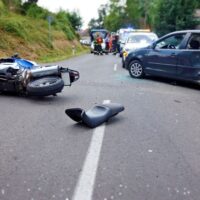
Hurt in an Illinois motorcycle crash? Learn how comparative negligence, helmet law, and common liability scenarios affect your claim. Free consultation.
Quick Answer
Illinois motorcyclists were nearly 28 times more likely to die in a crash than passenger car occupants in 2023, based on miles traveled. Under Illinois’s modified comparative negligence law (735 ILCS 5/2-1116), an injured rider can still recover compensation as long as they are 50% or less at fault — but insurers frequently use helmet non-use, lane-splitting, or speed to shift blame. Common fault scenarios include left-turn collisions, unsafe lane changes, dooring, and road hazards.
Why Motorcycle Crashes Are So Dangerous
Riding a motorcycle comes with a freedom that many riders find hard to give up, but the risks are real and well documented. According to the National Highway Traffic Safety Administration (NHTSA), motorcyclists were nearly 28 times more likely to die in a traffic crash than passenger car occupants in 2023, based on vehicle miles traveled. That year, 6,335 motorcyclists were killed nationwide — 15% of all traffic fatalities. [Source: NHTSA Traffic Safety Facts]
If you or someone you love has been hurt in a motorcycle crash in Illinois, understanding how liability works — and what injuries to expect — can help you make informed decisions about your next steps.
Common Injuries in Motorcycle Crashes
Motorcyclists have virtually no physical protection between them and the road, which is why crashes so often cause serious harm:
- Road rash from sliding across pavement
- Broken bones, especially in the arms, legs, and pelvis
- Traumatic brain injuries (TBI), even with a helmet
- Spinal cord damage, which can cause permanent disability
- Internal injuries that aren’t always immediately apparent
Even at relatively low speeds, being thrown from a motorcycle or struck by a vehicle can require long-term treatment, surgery, and rehabilitation. Some injuries result in permanent disability.
Illinois Helmet Law
Illinois does not have a universal helmet law for adult riders. Under 625 ILCS 5/11-1404, eye protection (glasses, goggles, or a transparent shield) is required, but helmets are not mandated. This means riders have a choice — but it also means helmet non-use can become a point of contention in a liability claim if a head injury is involved.
How Illinois Law Determines Liability
Illinois uses a modified comparative negligence system under 735 ILCS 5/2-1116:
- An injured rider can recover compensation even if they were partly at fault, as long as their share of fault is 50% or less
- If a rider is found more than 50% at fault, they cannot recover anything
- If partially at fault below that threshold, compensation is reduced proportionally to their percentage of fault
Insurance adjusters know this law well and often use it strategically — arguing the rider was speeding, riding in a blind spot, or engaged in unsafe behavior. For example, lane-splitting is illegal in Illinois under 625 ILCS 5/11-703(c), and evidence of lane-splitting at the time of a crash will almost certainly be used against the rider. This is why preserving evidence and having a legal strategy from day one matters.
Common Liability Scenarios in Illinois Motorcycle Crashes
| Scenario | What Happens |
|---|---|
| Left-turn collisions | The most frequent pattern at intersections — a driver fails to see an oncoming motorcyclist or misjudges their speed |
| Lane-change crashes | A driver moves into a motorcycle’s lane without checking mirrors or blind spots |
| Dooring accidents | A parked driver opens a car door into a moving motorcyclist’s path (illegal under 625 ILCS 5/11-1407, which requires drivers to check it’s safe before opening a door into traffic) |
| Road hazard crashes | Potholes, debris, or uneven pavement that would barely affect a car can be catastrophic for a motorcycle |
Identifying the responsible party and gathering evidence quickly makes a significant difference in the outcome of a claim.
Frequently Asked Questions
Do I have to wear a helmet to ride legally in Illinois?
No. Illinois does not require adult riders to wear a helmet, though eye protection is legally required. Not wearing a helmet can still affect a liability claim if a head injury is involved.
Can I still recover damages if I was partly at fault for the crash?
Yes, as long as you were 50% or less at fault. Illinois’s modified comparative negligence law reduces your compensation in proportion to your percentage of fault, but does not eliminate it unless you are more than 50% at fault.
Is lane-splitting legal in Illinois?
No. Lane-splitting is prohibited under 625 ILCS 5/11-703(c), and doing it at the time of a crash may be used as evidence when fault is evaluated in a liability claim.
What’s the most common cause of motorcycle accidents in Illinois?
Left-turn collisions at intersections are a common motorcycle crash pattern, typically when a driver fails to see an oncoming motorcyclist or misjudges the motorcycle’s speed.
How long do I have to file a motorcycle accident claim in Illinois?
Illinois’s personal injury statute of limitations is generally two years from the date of the crash under 735 ILCS 5/13-202, although exceptions may apply depending on the circumstances of your case.
Talk to a Bloomington Motorcycle Accident Attorney Today
Motorcycle accident cases in Illinois involve specific statutes, comparative fault arguments, and insurance tactics that can be difficult to navigate without legal guidance. If you’ve been hurt, talk to an experienced attorney before making any statements to insurance companies or accepting a settlement offer.
At Patel Law, PC, our Bloomington motorcycle accident lawyers help injured riders throughout central Illinois fight for the full compensation they deserve. Contact us today for a free consultation at 217-384-1111 or through our website.
Source: NHTSA Traffic Safety Facts
