
Taylor Farms Lettuce Recall and Taco Bell: What the Outbreak Means for Illinois Consumers and Their Legal Rights
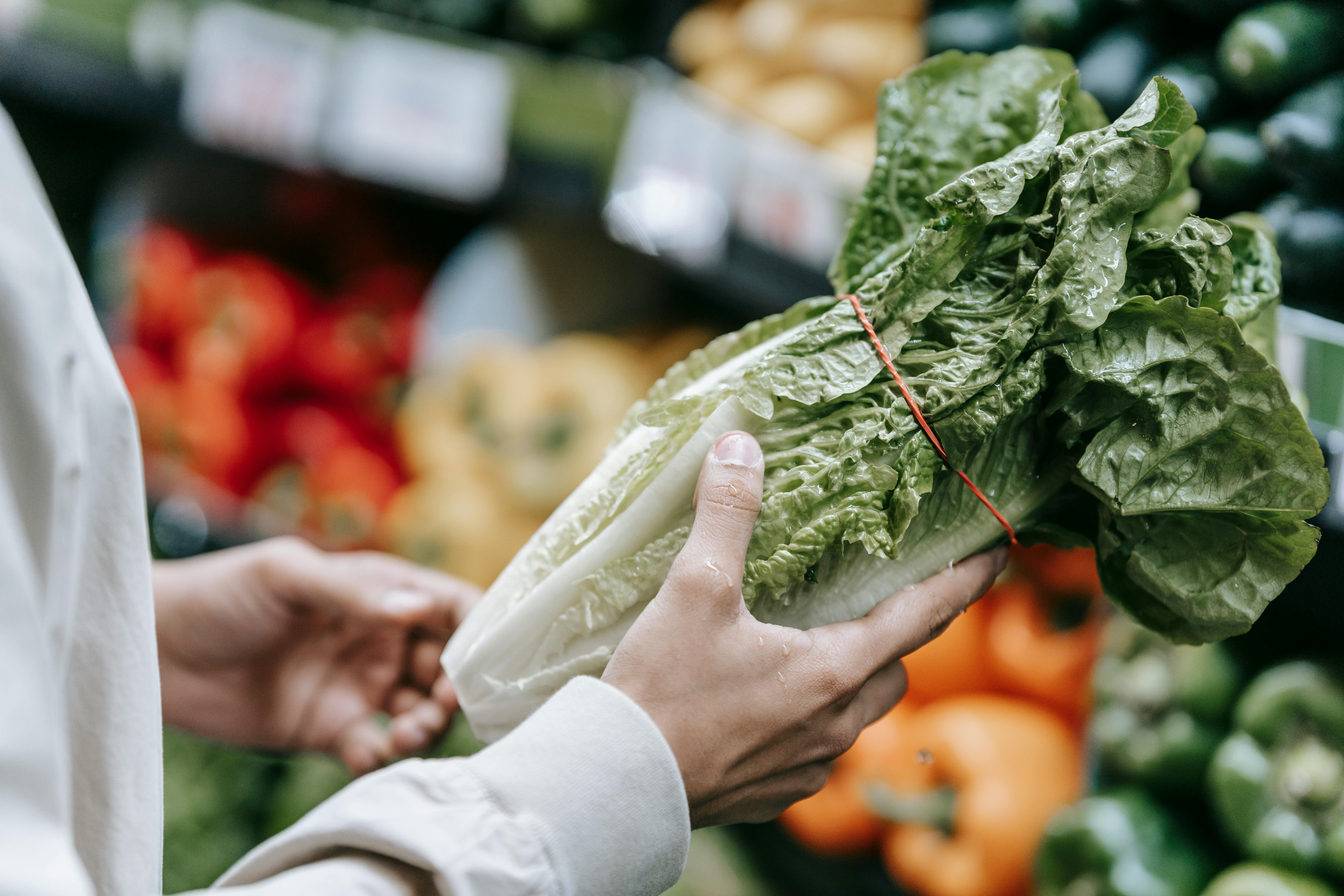
The 2026 outbreak, the Taylor Farms recall, Taco Bell, and the potential legal issues for people who became seriously ill
The Public Health Investigation Is Over. The Legal Questions May Not Be.
A major Cyclospora outbreak in 2026 led to a recall of iceberg lettuce supplied by Taylor Farms de Mexico and an investigation involving Taco Bell restaurants. Thousands of people across the United States reported becoming ill, and federal investigators ultimately connected the outbreak to contaminated iceberg lettuce.
For consumers who became sick, however, a food recall is more than a public-health announcement. Contaminated food can raise questions about medical expenses, lost income, negligence, product liability, and whether an injured person may have a legal claim.
For Illinois consumers, understanding how state law applies to contaminated food is especially important.
Quick Take
The Taylor Farms recall does not automatically mean that every person who became sick has a lawsuit or that every business involved in the food’s distribution is legally responsible. A potential claim still requires evidence connecting the contaminated food to the illness and establishing the losses caused by that illness.
What Happened With the Taylor Farms Lettuce Recall?
In July 2026, federal and state health officials investigated a multistate outbreak of Cyclospora infections involving people who had consumed iceberg lettuce.
The investigation initially focused heavily on Taco Bell because many people who became sick reported eating at Taco Bell before developing symptoms. On July 16, the FDA reported that 1,644 people infected with Cyclospora in five states had reported eating at Taco Bell. Of 190 Michigan cases interviewed about the foods they ate, 90 percent reported eating iceberg lettuce.
The FDA’s traceback investigation identified a common supplier of iceberg lettuce from Mexico used by Taco Bell locations where people who became sick had eaten. Taylor Farms de Mexico subsequently initiated a recall of iceberg lettuce sourced from central Mexico.
The investigation later expanded beyond the original five states. Illinois became one of the states included in the multistate outbreak.
Taylor Farms recalled the affected lettuce on July 17, 2026, and Taco Bell removed the affected lettuce from its restaurants.
Outbreak Identified
Health officials investigated a multistate Cyclospora outbreak involving people who had consumed iceberg lettuce.
Taco Bell Connection Investigated
Many people who became ill reported eating at Taco Bell before developing symptoms, leading investigators to examine the restaurants and their food suppliers.
Supplier Traced
FDA traceback information identified a common supplier of iceberg lettuce associated with affected Taco Bell locations.
Recall Issued
Taylor Farms de Mexico recalled the affected iceberg lettuce, and Taco Bell removed the affected lettuce from its restaurants.
What Was the Final Outcome?
The outbreak investigation continued for several months.
By September 11, 2026, the CDC declared the outbreak over. The final CDC update reported 12,883 illnesses across 21 states, 570 hospitalizations, and two deaths.
Final CDC Numbers
The CDC concluded that epidemiologic and traceback information showed that iceberg lettuce from Taylor Farms de Mexico was contaminated with Cyclospora and made people sick.
The FDA also reported that recalled lettuce connected to the outbreak had been removed from the market. However, the FDA’s investigation itself remained ongoing, including additional analysis related to the source of the contamination.
Important Distinction
The conclusion of a public-health investigation does not necessarily resolve every potential civil claim by someone who became ill. A government investigation and an individual personal injury claim address different questions.
Why Does the Recall Matter in a Personal Injury Case?
A recall does not automatically mean that every person who became sick has a successful lawsuit. A person bringing a claim generally still needs evidence connecting the contaminated product to the illness and establishing legally compensable damages.
At the same time, an official recall and government investigation can be significant evidence when evaluating a potential claim.
Illinois law specifically addresses contaminated food.
Illinois Food Safety Law
410 ILCS 620/10 provides that food is considered adulterated in certain circumstances, including when it contains a poisonous or deleterious substance that may make it injurious to health.
The statute also addresses food that is contaminated, diseased, filthy, putrid, decomposed, or otherwise unfit for food, as well as food that has been produced, prepared, packed, or held under unsanitary conditions that may cause contamination or make the food injurious to health.
This statute is important because Illinois law specifically recognizes circumstances in which contaminated food can be considered unsafe for consumers.
Potential Product Liability Claims
A contaminated food case may also involve Illinois product-liability law.
Illinois’ product-liability provisions define a product-liability action as a civil action against a manufacturer or product seller for harm caused by a product. The statutory definition of harm includes personal physical injury, illness, or death.
Manufacturer
A manufacturer may be examined when an alleged defect or contamination originated during the production or processing of a product.
Supplier
The supply chain may need to be examined to determine where the contaminated product came from and how it moved toward consumers.
Restaurant or Seller
A restaurant or other seller may become part of the legal analysis depending on what happened to the food and what evidence exists concerning responsibility.
That does not mean every business involved with the lettuce is automatically liable.
Illinois law defines a product seller broadly. The definition can include a person or business involved in selling, distributing, preparing, packaging, labeling, marketing, repairing, maintaining, or otherwise placing a product into the stream of commerce.
Determining the appropriate defendant can therefore require examination of the entire chain through which the food moved.
Could Taco Bell Be Legally Responsible?
The fact that many people reported becoming sick after eating at Taco Bell does not, by itself, establish that Taco Bell is legally responsible for every illness.
A legal claim requires an examination of the specific facts.
Questions That May Matter
The FDA’s investigation is important because federal investigators used epidemiological and traceback information to identify a common lettuce supplier associated with affected Taco Bell locations.
But the existence of that investigation does not eliminate the need to establish causation in an individual civil case.
What Is Causation in a Foodborne Illness Case?
Causation is one of the most important issues in a foodborne illness claim.
It is not enough to establish that someone ate at a restaurant and later became sick. A legal claim generally requires evidence showing that the particular food or product was connected to the illness.
Think of the Causation Question as a Chain
Evidence may be needed at multiple points in this chain.
The timing of symptoms can be important. Medical records can also be important. So can laboratory testing, public-health investigations, receipts, restaurant records, food-supply records, and other evidence showing what a person consumed.
In the Taylor Farms investigation, federal officials examined information from people who became ill, the foods they reported eating, and the supply chain for the lettuce. That type of evidence illustrates why documenting a foodborne illness as soon as possible can matter.
Negligence and Food Safety
Depending on the facts, a foodborne illness claim may also involve negligence.
Negligence generally concerns whether a person or business failed to use reasonable care and whether that failure caused harm.
Potential Food-Safety Questions
- Were appropriate food-safety procedures followed?
- Was contamination discovered or should it have been discovered?
- Were appropriate warnings or recalls issued?
- Was contaminated food allowed to reach consumers?
- Did a failure to use reasonable care cause the person’s illness or other losses?
The specific legal theory depends on the facts of the case.
Illinois Comparative Fault Can Also Matter
Illinois law also addresses situations in which more than one party may have contributed to an injury.
735 ILCS 5/2-1116
Under 735 ILCS 5/2-1116, in actions involving bodily injury or death based on negligence or product liability based on strict tort liability, a plaintiff whose contributory fault is more than 50 percent of the proximate cause of the injury is barred from recovering damages.
If the plaintiff’s contributory fault is 50 percent or less, the damages awarded are reduced in proportion to the amount of fault attributable to the plaintiff.
In a contaminated-food case, the particular facts would determine whether comparative-fault principles have any relevance.
The important point is that Illinois law does not necessarily treat liability as an all-or-nothing question. The conduct and responsibility of the parties can be examined as part of the case.
What Damages Could an Injured Person Seek?
A person who develops a serious foodborne illness may experience much more than several days of discomfort.
Depending on the circumstances, damages in a personal injury case can include medical expenses, lost income, and other economic losses.
Medical Expenses
Emergency treatment, physician visits, testing, medication, hospitalization, and follow-up care may be relevant economic losses.
Lost Income
A serious illness may cause missed work or an inability to perform normal job duties.
Pain and Suffering
Depending on the claim and applicable law, non-economic damages may include pain and suffering associated with the illness.
Disability or Other Losses
Serious illness may also result in disability or other economic and non-economic losses depending on the circumstances.
Non-economic damages can also be relevant, including pain and suffering, disability, disfigurement, loss of consortium, and loss of society.
Illinois law recognizes economic damages such as medical expenses and lost income and non-economic losses such as pain and suffering and disability. The amount and type of damages available depend on the facts and applicable law.
What If Someone Was Hospitalized?
Hospitalization can make documentation especially important.
A person who required emergency treatment, hospitalization, testing, prescription medication, or follow-up care should preserve medical records and bills relating to the illness.
Keep Documentation of the Illness
Medical documentation can help establish both the seriousness of the illness and the financial losses associated with it. For a person who missed work because of the illness, employment and wage records may also become relevant.
The same principle applies to other losses. The more clearly an injured person can document what happened and how the illness affected them, the easier it may be to evaluate the potential claim.
How Long Does Someone Have to Bring an Illinois Claim?
Time limits are another important legal consideration.
Illinois Personal Injury Deadline
Under 735 ILCS 5/13-202, actions for damages for an injury to the person generally must be commenced within two years after the cause of action accrued, subject to exceptions contained in the statute and other applicable law.
The specific deadline can depend on the facts and the type of claim involved.
Product-liability cases can also involve additional statutory provisions, including the product-liability statute of repose found in 735 ILCS 5/13-213. That statute defines product-liability actions and establishes additional time limitations concerning products.
Do Not Assume the Recall Extends the Deadline
Because the applicable deadline can depend on the particular claim and circumstances, someone who believes contaminated food caused an injury should not assume that the recall itself extends the time for bringing a lawsuit.
The FDA Investigation Does Not Automatically Resolve a Private Lawsuit
The government investigation and a private personal injury lawsuit serve different purposes.
Government Investigation
Federal and state health officials investigate outbreaks to identify the source, protect the public, remove potentially contaminated products from the market, and prevent additional illnesses.
Private Civil Claim
A private lawsuit addresses the injuries and losses suffered by a particular individual and requires an analysis of causation, liability, damages, and applicable law.
That means the CDC declaring the outbreak over does not necessarily answer whether an individual has a viable civil claim.
Similarly, the fact that an official investigation identified Taylor Farms lettuce as the source of the outbreak does not automatically determine the legal responsibility of every company involved.
Each potential claim must be evaluated based on the evidence and applicable law.
What Should You Do If You Become Sick?
If you believe you became ill after eating food associated with the Taylor Farms lettuce recall or the Taco Bell outbreak, preserve as much information as possible.
Create a Record of What Happened
Preserve Evidence Early
Do not assume that because the outbreak has officially ended, there is no longer a legal issue to investigate. Records concerning where you ate, what you consumed, when symptoms began, medical treatment, and financial losses can become important when evaluating a potential claim.
Why Documentation Can Matter in a Foodborne Illness Claim
Foodborne illness cases can present a causation challenge because the person may have consumed multiple foods and may have been exposed to potential sources outside of the restaurant or recalled product.
That makes contemporaneous documentation particularly useful.
Before Illness
Keep receipts, restaurant information, orders, dates, and other records showing what you purchased or consumed.
When Symptoms Begin
Record when symptoms started and how they developed.
During Treatment
Preserve medical records, testing results, prescriptions, bills, and documentation of hospital or emergency treatment.
Afterward
Document missed work, lost income, continuing symptoms, follow-up treatment, and other effects of the illness.
Frequently Asked Questions About the Taylor Farms Recall and Potential Claims
Does the Taylor Farms recall automatically mean I have a lawsuit?
No. A recall can be important evidence, but an individual claim generally still requires evidence connecting the contaminated food to the person’s illness and establishing legally compensable damages.
Can Taco Bell automatically be held responsible because people became sick after eating there?
Not automatically. The circumstances of each potential claim must be examined, including what the person ate, whether the recalled lettuce was involved, the timing of the illness, medical evidence, and other potential sources of exposure.
What Illinois law applies to contaminated food?
Several areas of Illinois law may be relevant depending on the circumstances, including the Illinois Food, Drug and Cosmetic Act, product-liability law, negligence principles, comparative fault under 735 ILCS 5/2-1116, and statutes governing the time for filing a claim.
What if I was hospitalized because of the illness?
Hospitalization can make medical documentation especially important. Preserve hospital records, medical bills, testing information, prescriptions, follow-up records, and documentation of any missed work or lost income.
How long do I have to bring an Illinois personal injury claim?
Under 735 ILCS 5/13-202, personal injury actions generally must be commenced within two years after the cause of action accrued, subject to statutory exceptions and other applicable law. Product-liability cases may also involve additional time limitations under 735 ILCS 5/13-213. The applicable deadline depends on the facts and type of claim.
Does the CDC declaring the outbreak over mean I cannot pursue a claim?
No. The end of a public-health investigation does not automatically determine whether an individual has a viable civil claim. A private claim must be evaluated based on the person’s specific illness, evidence, damages, causation, and applicable law.
The Bottom Line for Illinois Consumers
What the 2026 Outbreak Means for Potential Claims
The Taylor Farms lettuce recall and Taco Bell investigation demonstrate how a food-safety problem can develop into a significant personal injury issue.
The federal investigation ultimately connected the 2026 Cyclospora outbreak to contaminated iceberg lettuce from Taylor Farms de Mexico. The CDC declared the outbreak over on September 11, 2026, after reporting 12,883 illnesses, 570 hospitalizations, and two deaths across 21 states.
For Illinois consumers, the legal analysis can involve several different areas of law, including the Illinois Food, Drug and Cosmetic Act, product liability, negligence, comparative fault, and statutes governing the time in which a personal injury claim must be filed.
A recall does not automatically establish liability, but it can be an important part of the evidence in evaluating what happened.
If you or someone in your family became seriously ill after consuming food connected to the Taylor Farms lettuce recall or the 2026 Cyclospora outbreak, an Illinois personal injury attorney can review the circumstances, medical records, available evidence, and potential legal claims.
Contact Patel Law, PC
Patel Law, PC represents individuals and families dealing with serious personal injuries in Illinois. If you believe you became seriously ill after consuming contaminated food, an attorney can help evaluate the evidence and explain the legal options that may be available.
Were You Seriously Ill After Eating Recalled Food?
If you or a family member became seriously ill after consuming food connected to the Taylor Farms lettuce recall or 2026 Cyclospora outbreak, preserve your medical and other records and consider discussing the circumstances with an Illinois personal injury attorney.
Call Patel Law, PC
217-384-1111
Learn More About Patel Law, PC
Visit Our Website
Sources
CDC — 2026 Cyclospora Outbreak Investigation
FDA — Cyclospora Outbreak Investigation
410 ILCS 620/10 — Illinois Food, Drug and Cosmetic Act
735 ILCS 5/2-1116 — Illinois Comparative Fault
735 ILCS 5/13-202 — Illinois Personal Injury Limitations Period
735 ILCS 5/13-213 — Illinois Product Liability Statute of Repose
