
Impact Of The Coronavirus To The Criminal Justice System
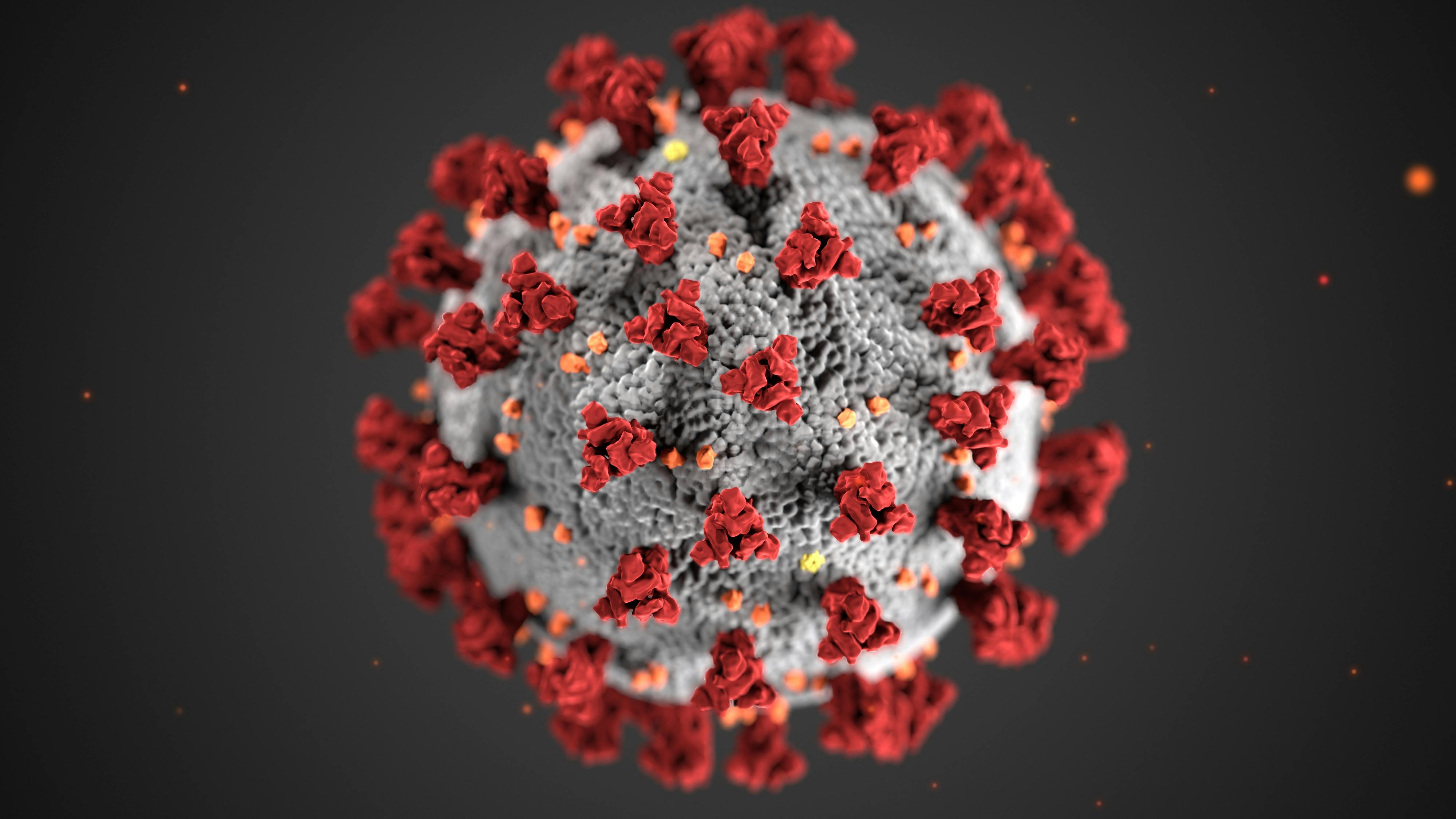 The COVID-19 pandemic significantly disrupted courts, jails, prisons, criminal proceedings, and the way criminal defense attorneys represented their clients.
Historical Perspective: The COVID-19 pandemic created extraordinary challenges for the American criminal justice system beginning in 2020. Courts changed how proceedings were conducted, correctional facilities implemented infection-control measures, and attorneys sought alternatives to incarceration for certain defendants and incarcerated people. Although the federal COVID-19 public health emergency ended in 2023, many of the procedural changes and lessons from the pandemic continue to affect the criminal justice system.
The coronavirus pandemic altered nearly every part of American life. Schools closed, businesses changed how employees worked, courts modified their operations, and government agencies developed emergency procedures to address an unprecedented public-health crisis.
The criminal justice system faced a particularly difficult set of circumstances. Jails and prisons house people in settings where maintaining physical distance can be difficult, while courts, attorneys, law enforcement officers, correctional officers, medical personnel, defendants, victims, and witnesses all had to navigate new health and safety concerns.
For people accused of crimes, the pandemic also created important legal questions. How should courts conduct hearings when large numbers of people cannot safely appear in person? When should a person charged with a crime remain in custody? What alternatives to incarceration are available? How can a defendant meaningfully communicate with an attorney while access to a jail or courthouse is restricted?
Why Correctional Facilities Presented Unique COVID-19 Challenges
Correctional facilities presented particular challenges during the pandemic because people who were incarcerated or detained often lived, ate, received medical care, and participated in other activities in shared environments. The Centers for Disease Control and Prevention issued specific guidance for prisons, jails, and detention facilities addressing preparation, prevention, medical isolation, infection control, clinical care, screening, and personal protective equipment.
The CDC’s early 2020 guidance specifically recognized that correctional and detention facilities required specialized COVID-19 planning. Its recommendations included reducing opportunities for close contact, medically isolating people with suspected or confirmed infections, quarantining close contacts, screening individuals, and coordinating with public-health authorities.
Close Living Conditions
Shared housing and common areas can make physical distancing and infection-control measures more difficult.
Medical Needs
Correctional facilities must provide medical assessment and treatment while also managing the health needs of the larger incarcerated population.
Staff Exposure
Correctional officers, medical personnel, contractors, attorneys, and other staff can enter and leave correctional environments, creating additional infection-control considerations.
CDC surveillance published in May 2020 documented COVID-19 cases among incarcerated and detained people and correctional-facility staff and emphasized the need for prompt identification of cases and consistent prevention measures. The CDC also noted that conditions varied significantly among facilities and that testing availability affected the ability to identify cases.
COVID-19 and Pretrial Detention
One of the most important criminal-defense issues during the pandemic involved people who had been arrested but had not yet been convicted. Pretrial detention is different from serving a sentence after conviction, and the pandemic created additional arguments concerning whether continued detention was appropriate in particular circumstances.
Defense attorneys sought release for some defendants based on factors such as medical vulnerability, age, the seriousness of the alleged offense, criminal history, community ties, and whether a defendant could safely comply with conditions of release.
Factors That Could Be Relevant to a Release Request
Documented medical conditions that could increase the risk of serious illness.
The seriousness and circumstances of the alleged offense.
A defendant’s prior record and other information relevant to detention.
Where the defendant would live and how court-ordered conditions could be followed.
These considerations did not automatically require release. Courts still had to apply the governing constitutional and statutory standards to the individual defendant and the circumstances of the case.
COVID-19 and Illinois Courts
Illinois courts were among the institutions that had to rapidly change their operations. On March 17, 2020, the Illinois Supreme Court issued an order directing Illinois courts to establish temporary procedures designed to minimize the impact of COVID-19 while continuing to provide access to justice. Essential matters were to continue, and courts were authorized to conduct proceedings remotely when feasible and consistent with constitutional requirements.
The pandemic also affected criminal jury trials. Illinois courts entered orders addressing the continuation of jury trials and the operation of speedy-trial requirements during the emergency period. Local courts developed procedures based on the circumstances in their individual counties and facilities.
Remote Proceedings Became an Important Tool
Illinois courts used telephone and video proceedings during the pandemic to continue handling essential matters while reducing the number of people required to appear physically at courthouses. In May 2020, the Illinois Supreme Court issued guidelines for resuming broader court operations while continuing to allow remote proceedings and social-distancing measures.
The effects were not limited to the initial months of the pandemic. In February 2021, the Illinois Supreme Court issued additional guidance concerning remote criminal case proceedings and specifically referenced the backlog of criminal cases created during the pandemic.
How the Pandemic Affected Criminal Cases
COVID-19 affected criminal cases at nearly every stage of the process. Delays could occur from arrest through trial, while restrictions on jail visits and courthouse access could make attorney-client communication more complicated.
Arrests and Booking
Law-enforcement agencies and jails had to account for screening, isolation, staffing, and health concerns when people entered custody.
Pretrial Hearings
Bond hearings and other proceedings increasingly took place remotely or under modified courthouse procedures.
Discovery and Investigation
Access to witnesses, records, experts, clients, and physical evidence could be affected by restrictions and delays.
Trials and Sentencing
Jury trials, sentencing hearings, and other proceedings had to be adapted to changing public-health conditions and court orders.
Federal Criminal Justice Changes During COVID-19
The federal criminal justice system also adopted emergency measures. The Federal Bureau of Prisons increased its use of home confinement during the early months of the pandemic, and on April 3, 2020, the Attorney General exercised emergency authority under the CARES Act to expand home-confinement considerations. The Bureau of Prisons reported that it was reviewing incarcerated people with COVID-19 risk factors for possible placement in home confinement.
Federal courts also received numerous motions seeking temporary release, compassionate release, or other forms of relief based on COVID-19-related health concerns. The applicable legal standards depended on the procedural posture of the person seeking relief, the sentencing court, the statutory authority invoked, and the individual’s circumstances.
Important: COVID-19-related federal release procedures were emergency measures. They should not be confused with a general right to release from federal custody. Whether a person can seek compassionate release, home confinement, or another form of relief depends on the governing statute, sentencing history, Bureau of Prisons procedures, and the facts of the individual case.
Illinois Correctional Facilities and COVID-19
Illinois also adopted measures affecting people in state custody. The Illinois Department of Corrections temporarily paused certain county-jail intakes during periods of COVID-19 outbreaks so that space could be used to quarantine and isolate incarcerated individuals who had been exposed or tested positive. IDOC also reported that Illinois had expanded consideration of medical furloughs for medically vulnerable incarcerated people during the emergency.
The Pandemic Created a Correctional Capacity Problem
Correctional systems had to balance admissions, transfers, releases, medical isolation, quarantine space, staffing, and treatment capacity. In Illinois, IDOC’s pandemic response included temporarily changing county-jail intake procedures and considering medical furloughs for qualifying incarcerated people.
These policies illustrate how the pandemic affected not only people who were already incarcerated but also people moving through the criminal justice system. Jail admissions, transfers to state custody, medical needs, court appearances, and release planning could all be affected by public-health restrictions.
The Role of Criminal Defense Attorneys During the Pandemic
Criminal defense attorneys had to continue representing clients while adapting to restrictions on courthouse access, jail visits, hearings, and trials. Attorneys also had to evaluate whether particular clients had health or other circumstances that could support a request for release or another modification of their custody status.
For an individual defendant, the appropriate legal strategy depends on the specific charges, criminal history, medical circumstances, procedural posture, and applicable law. A defense attorney may evaluate whether a client qualifies for release, whether conditions of release can adequately address the court’s concerns, and whether additional motions should be filed.
Potential Defense Issues During a Public-Health Emergency
Whether continued detention is appropriate under the applicable release standard.
Whether a defendant’s documented health circumstances should be considered when determining custody or release conditions.
How emergency court procedures and postponed proceedings affect the timing and preparation of a criminal case.
How counsel can maintain meaningful communication and prepare a defense when jail and courthouse access is restricted.
What Changed After the Emergency Period?
The end of the COVID-19 public-health emergency did not mean that every procedural change disappeared immediately. In Illinois, the Supreme Court continued reviewing and modifying pandemic-related orders and rules. In April 2023, the Court announced amendments that made certain temporary measures permanent while vacating other temporary provisions, including provisions governing some remote adult criminal proceedings.
The pandemic also demonstrated how quickly the criminal justice system can adapt to technological changes. Remote appearances, electronic filing, video conferences, modified courthouse procedures, and other tools became more common during the emergency. Some of those practices have continued under permanent or amended court rules, while others were tied specifically to the emergency.
The pandemic therefore represents an important period in the modern history of criminal procedure. It raised questions about access to justice, public health, pretrial detention, attorney-client communication, speedy trials, jury trials, correctional healthcare, and the use of technology in criminal proceedings.
The Criminal Justice System and Public Health
COVID-19 demonstrated that correctional policy and public health can directly intersect. People who are incarcerated or detained remain part of the broader community, while correctional officers, medical personnel, attorneys, court personnel, and other workers move between correctional facilities and the outside community.
The CDC’s correctional-facility guidance emphasized that preventing transmission required coordination between correctional administrators, healthcare providers, public-health agencies, staff, and incarcerated or detained people.
The issue is broader than COVID-19. Correctional facilities continue to face public-health considerations involving infectious diseases, chronic medical conditions, mental-health needs, and access to medical care. The CDC maintains dedicated correctional-health guidance addressing health conditions and medical care in correctional and detention settings.
Every Criminal Case Is Different
A public-health emergency can affect the circumstances surrounding a criminal case, but it does not automatically determine whether a person should be released, detained, or convicted. Those decisions remain dependent on the applicable law and the individual facts of the case.
Anyone facing criminal charges should discuss the specific circumstances of the case with a qualified criminal defense attorney.
Frequently Asked Questions
Did COVID-19 change how criminal courts operated?
Could COVID-19 affect whether someone was released from jail?
Did Illinois use remote criminal proceedings during COVID-19?
Did the federal government allow some prisoners to move to home confinement during COVID-19?
Can a medical condition affect a criminal defendant’s custody status?
Sources and Illinois Resources
Centers for Disease Control and Prevention:
Interim Guidance on Management of COVID-19 in Correctional and Detention Facilities
Centers for Disease Control and Prevention:
COVID-19 in Correctional and Detention Facilities — United States, February–April 2020
U.S. Bureau of Justice Statistics:
Correctional Populations in the United States, 2023
U.S. Bureau of Justice Statistics:
Jail Inmates in 2023
Federal Bureau of Prisons:
COVID-19 and Home Confinement
Illinois Department of Corrections:
COVID-19 Response
Illinois Supreme Court:
March 17, 2020 Order — In re Illinois Courts Response to COVID-19 Emergency
Illinois Supreme Court:
Order for Remote Criminal Case Proceedings
Illinois Supreme Court:
2023 Amendments to COVID-19 Emergency Orders
Facing Criminal Charges in Illinois?
If you or a loved one is facing criminal charges, the circumstances of the case can affect decisions about pretrial release, defense strategy, negotiations, motions, and trial.
Attorney Baku N. Patel serves as lead counsel in felony criminal defense matters at Patel Law, PC.
Learn more about Baku Patel and his Team
