
From Fender Benders to Fractured Bones: The Injuries Illinois Personal Injury Cases Are Built On
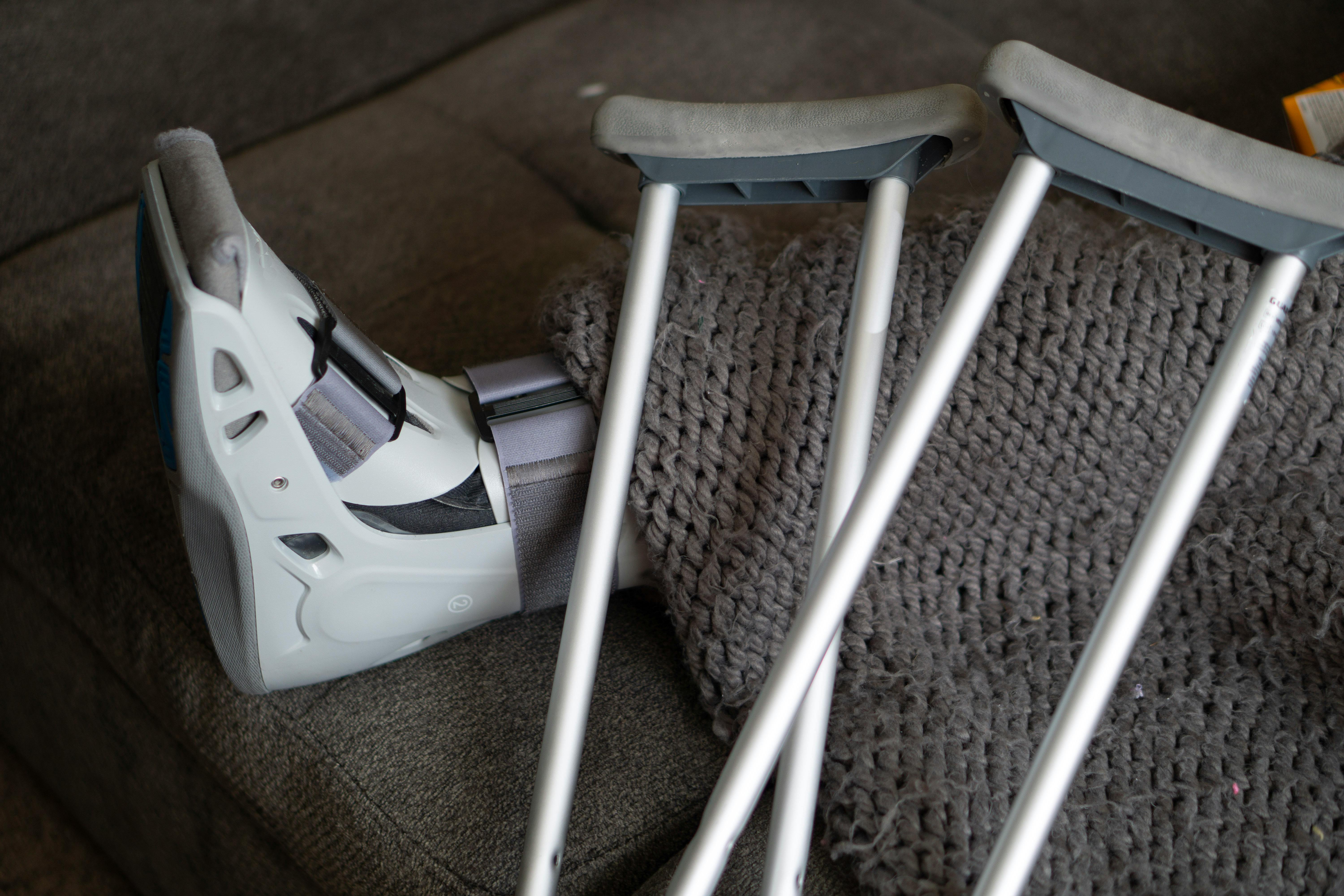
Not all injuries look the same in a legal case.
What Types of Accidents Tend to Cause the Most Serious Harm?
Motor vehicle crashes are one of the most common sources of personal injury claims in Illinois. According to the Illinois Department of Transportation, there were more than 303,000 motor vehicle crashes in Illinois in 2024. Those crashes injured more than 89,000 people, and the estimated cost of all Illinois crashes reached approximately $8.3 billion.
The physical toll behind those numbers is enormous, and the injuries that result can range from relatively minor conditions to catastrophic injuries requiring lifelong medical care.
Illinois Crashes
Motor vehicle crashes reported statewide in 2024.
People Injured
People injured in Illinois motor vehicle crashes during 2024.
Estimated Crash Costs
Estimated statewide economic cost of Illinois crashes in 2024.
Why This Matters
An accident does not need to involve a catastrophic crash to cause a serious injury. Some conditions may initially appear minor and become more noticeable as symptoms develop and medical evaluations continue.
The Injuries That Show Up Most Often
Personal injury cases can involve many different types of physical harm. The following injuries are frequently associated with motor vehicle accidents, falls, workplace incidents, defective products, and other accidents caused by negligence.
Traumatic Brain Injuries
Traumatic brain injuries, or TBIs, can range from mild concussions to severe brain damage. Depending on the injury, symptoms may affect memory, concentration, communication, movement, and the ability to live or work independently.
Spinal Cord and Back Injuries
Herniated discs, nerve injuries, spinal fractures, and spinal cord damage can lead to chronic pain, physical limitations, nerve damage, or partial or total paralysis.
Broken Bones
Fractures can range from relatively simple injuries to severe breaks involving the pelvis, femur, arms, or legs that require surgery, hardware implantation, and extended rehabilitation.
Soft Tissue Injuries
Sprains, strains, and injuries involving muscles, tendons, and ligaments may cause significant pain and limitations even when the injury does not appear clearly on standard imaging.
Burn Injuries
Burns can result from vehicle fires, defective products, workplace accidents, and dangerous property conditions. Severe burns may require extensive treatment, skin grafting, and long-term care.
How Different Injuries Can Affect a Personal Injury Claim
The severity of an injury is important, but it is not the only issue considered in a personal injury case. Medical documentation can help establish how an injury occurred, how it was diagnosed, what treatment was required, and whether the condition is expected to create future limitations.
Immediately Visible Injuries
Broken bones, burns, cuts, and other visible injuries may be easier to document immediately through photographs, emergency medical records, and diagnostic testing.
Delayed or Developing Symptoms
Some injuries, including certain brain, back, neck, and soft tissue injuries, may become more apparent over time as symptoms develop and additional medical evaluations are performed.
Common Misconception
An injury does not have to be immediately visible to be serious. The absence of visible bruising, bleeding, or broken bones does not necessarily mean that an accident did not cause a significant medical condition.
Why Does the Type of Injury Matter Legally?
The nature and extent of an injury can directly shape what compensation may be available in a personal injury claim. Medical expenses, lost wages, pain and suffering, and future care needs can all depend on the severity of the injury and the evidence supporting the claim.
Medical records, diagnostic testing, treatment notes, and expert testimony may help establish the connection between an accident and the injuries that followed. The stronger the documentation connecting the injury to the incident, the easier it may be to demonstrate the impact the accident has had on the injured person.
The Accident Occurs
An accident or negligent act causes an injury or physical symptoms.
Medical Care Begins
Medical professionals evaluate symptoms, diagnose injuries, and recommend treatment.
The Injury Is Documented
Medical records, imaging, treatment notes, and other documentation help establish the nature and extent of the injury.
The Long-Term Impact Is Evaluated
Doctors and other professionals may evaluate future treatment needs, physical limitations, and the effect of the injury on work and daily activities.
The Claim Is Evaluated
The available evidence may be used to assess liability, damages, and the compensation potentially available through a personal injury claim.
Speak With an Illinois Personal Injury Lawyer About Your Case
If you have been hurt in an accident anywhere in central Illinois, do not wait to get the guidance you need. Under 735 ILCS 5/13-202, personal injury actions generally must be commenced within two years after the cause of action accrued. Missing an applicable deadline can affect your ability to pursue a claim.
Patel Law, PC represents injury victims across Champaign, Urbana, Danville, Decatur, and surrounding communities. As experienced Urbana personal injury lawyers, we know how to evaluate evidence, medical documentation, and the full impact an injury has had on a client’s life.
Talk With Patel Law, PC
If you were injured because of someone else’s negligence, our team can discuss your accident, injuries, and available legal options during a free consultation.
Call us: 217-384-1111
Frequently Asked Questions About Personal Injury Injuries in Illinois
What injuries can lead to a personal injury claim?
Many types of injuries may form the basis of a personal injury claim when they were caused by another party’s negligence. Examples can include traumatic brain injuries, spinal injuries, broken bones, soft tissue injuries, burns, and other physical harm.
Can I have a serious injury even if it was not immediately visible?
Yes. Some injuries and symptoms may become more apparent after the initial accident. Medical evaluation and documentation can help identify and document injuries that are not immediately visible.
Why are medical records important in a personal injury claim?
Medical records can document symptoms, diagnoses, treatment, recovery, and future medical needs. They may also help establish the connection between an accident and the injuries claimed.
Are soft tissue injuries difficult to prove?
Soft tissue injuries may sometimes be disputed because they do not always appear clearly on standard imaging. Consistent medical evaluations, treatment records, and documentation of symptoms can be important evidence.
How long do I have to file a personal injury lawsuit in Illinois?
Under 735 ILCS 5/13-202, many personal injury actions must generally be commenced within two years after the cause of action accrued. The applicable deadline can vary depending on the circumstances, so it is important to evaluate a potential claim promptly.
Sources
