
Dunkin’ Donuts Franchisee Pays $3M to Settle Claim Related to a Coffee Burn Lawsuit
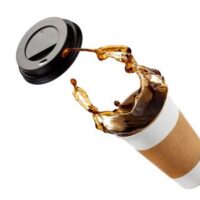
A Georgia woman suffered severe second- and third-degree burns after a Dunkin’ employee allegedly handed her a coffee with an unsecured lid.
A Dunkin’ franchisee agreed to pay a reported $3 million settlement to resolve a personal injury lawsuit brought by a woman who suffered severe burns after hot coffee spilled into her lap at a drive-through in Sugar Hill, Georgia.
According to the woman’s attorneys, the incident occurred on February 18, 2021, when she ordered coffee from a Dunkin’ location on Nelson Brogdon Boulevard. After the employee handed her the coffee, the lid allegedly came off the cup, causing hot coffee to spill onto her body.
The woman, who was 70 years old at the time of the incident, suffered second- and third-degree burns to her thighs, groin, and abdomen. She required extensive skin grafting and spent weeks receiving treatment in a burn unit at Grady Memorial Hospital in Atlanta.
Quick Answer
The reported $3 million settlement involved allegations that a Dunkin’ drive-through employee failed to properly secure the lid on a cup of hot coffee. According to the plaintiff’s attorneys, she incurred more than $200,000 in medical expenses, required extensive skin grafts, and experienced lasting pain, scarring, and mobility limitations.
The settlement was announced in October 2023 by attorneys representing the woman. The franchisee involved was Golden Donuts, LLC, which operated the Sugar Hill location. News reports identified the incident as a negligence claim involving the handling and serving of the coffee rather than a claim that coffee was inherently defective.
Because the incident occurred in Georgia, Georgia law governed the underlying injury claim. The legal principles discussed below regarding Illinois negligence and personal injury claims are provided as a general comparison for Illinois residents.
The Coffee Spill Caused Severe Burns
According to the woman’s attorneys, the coffee spilled on her immediately after she received it from the Dunkin’ drive-through. The lid allegedly was not properly secured to the cup, allowing the hot beverage to escape.
The resulting burns affected some of the most sensitive areas of her body, including her thighs, groin, and abdomen. The injuries were severe enough to require extensive skin grafting and prolonged treatment at a hospital burn unit.
Her attorneys said she accumulated more than $200,000 in medical bills as a result of the incident. They also reported that the injuries affected her ability to walk and required her to change aspects of her daily life.
Reported Injury Consequences
Severe Burns
The woman suffered second- and third-degree burns to her thighs, groin, and abdomen.
Skin Grafts
Extensive skin grafting was required to treat the damaged areas.
Long-Term Effects
Her attorneys reported continuing pain, scarring, and limitations affecting everyday activities.
The Allegation Was That the Lid Was Not Properly Secured
The woman’s attorneys did not argue simply that the coffee was hot. Their theory was that the coffee should have been safely contained inside the cup and that the spill would not have occurred if the employee had properly secured the lid before handing the drink to the customer.
According to attorney Benjamin Welch, the coffee cup lid came off after the customer received the beverage from the drive-through employee. The attorneys alleged that the resulting spill could have been prevented if the lid had been properly secured.
Dunkin’ was contacted for comment by news organizations following the settlement announcement. The reported settlement resolved the plaintiff’s claim without a trial determination of liability.
Settlement vs. Verdict
The $3 million Dunkin’ result was a settlement, not a jury verdict. A settlement generally resolves disputed claims without a court or jury making a final finding that the defendant was legally responsible for the plaintiff’s injuries.
The Famous McDonald’s Coffee Case
The Dunkin’ settlement received widespread attention in part because of the long history surrounding the famous McDonald’s hot coffee lawsuit involving Stella Liebeck.
In 1992, 79-year-old Liebeck was severely burned after spilling McDonald’s coffee in her lap. The coffee had been served at a temperature substantially higher than coffee served at many other fast-food restaurants, and the evidence at trial included information about previous complaints involving hot coffee burns.
Liebeck suffered extensive burns and required hospitalization and skin grafting. A New Mexico jury awarded her $160,000 in compensatory damages and $2.7 million in punitive damages. The trial judge later reduced the punitive award to $480,000, and the parties subsequently settled the case for a confidential amount. Contemporary and later accounts have often reported the settlement as being approximately $500,000.
What the McDonald’s Case Actually Involved
Compensatory Verdict
The jury awarded $160,000 in compensatory damages before later adjustments.
Punitive Verdict
The jury initially awarded $2.7 million in punitive damages.
Reduced Punitive Award
The trial judge reduced the punitive award to $480,000 before the parties settled.
The McDonald’s case is often remembered simply as a lawsuit involving spilled coffee. The actual litigation involved evidence concerning the temperature of the coffee, the severity of the injuries, prior complaints about burns, the restaurant’s procedures, and whether the conduct warranted punitive damages.
That case is different from the Dunkin’ matter described above. The Dunkin’ plaintiff’s reported theory focused on an allegedly unsecured lid and the handling of the cup, while the McDonald’s case included allegations concerning the temperature at which the coffee was served and the restaurant’s knowledge of previous burn incidents.
Can You Sue a Coffee Shop for a Burn Injury?
A person may have a personal injury claim when a restaurant’s negligent conduct causes a burn or other injury. The precise legal theory depends on the circumstances of the incident and the law of the state where the injury occurred.
For example, a plaintiff might allege that an employee failed to properly secure a lid, failed to package a hot beverage safely, served a product in an unsafe manner, or failed to take reasonable precautions against a foreseeable risk.
A plaintiff generally must establish the elements required by the applicable legal theory. In a negligence claim, this commonly involves showing that the defendant owed a duty, breached that duty, and that the breach caused legally compensable injuries.
Potential Issues in a Hot Beverage Injury
Safe Handling
Whether employees properly secured and handled the cup before giving it to the customer.
Foreseeable Risk
Whether the restaurant knew or should have anticipated the particular risk that caused the injury.
Medical Evidence
The severity, treatment, permanency, and financial consequences of the burn injury.
A person who simply spills a beverage because of his or her own actions does not automatically have a viable negligence claim against the restaurant. There must be evidence connecting the defendant’s conduct to the injury.
In a case involving an allegedly unsecured lid, the evidence could include employee testimony, surveillance footage, photographs of the cup and lid, purchase records, incident reports, medical records, and expert testimony concerning the severity and cause of the burns.
Burn Injuries Can Have Long-Term Consequences
Serious burn injuries can affect far more than a person’s immediate medical expenses. Deep burns may require hospitalization, surgery, skin grafting, wound care, rehabilitation, and long-term treatment for scarring and pain.
Burn victims may also experience limitations involving walking, sitting, working, exercising, or performing other everyday activities. Permanent scarring or disfigurement can affect a person’s quality of life long after the initial injury has healed.
Depending on the circumstances, damages in an Illinois personal injury claim can include medical expenses, lost income, disability, disfigurement, pain and suffering, and other losses caused by the injury.
Illinois law defines compensatory damages in bodily injury and product liability cases to include both economic and non-economic losses, including medical expenses, loss of income, pain and suffering, disability, and disfigurement.
What the Dunkin’ Settlement Shows
The reported $3 million settlement demonstrates that a hot beverage injury can become a significant personal injury case when the plaintiff suffers extensive and permanent injuries. The reported medical expenses were more than $200,000, and the plaintiff’s attorneys described continuing pain, scarring, and limitations following the burns.
The settlement amount should not be treated as a standard value for coffee burn cases. Every personal injury claim depends on its own facts, including the severity of the injury, the defendant’s conduct, the available evidence, insurance coverage, medical treatment, permanency, and other damages.
A settlement also does not establish a legal finding that the defendant was negligent. The Dunkin’ matter was resolved through an agreement between the parties rather than a jury verdict.
Talk to a Champaign, IL Personal Injury Lawyer Today
The Champaign personal injury attorneys at Patel Law, PC represent plaintiffs in negligence and other personal injury claims. If you have suffered a serious burn or another injury because of a restaurant’s allegedly negligent conduct, call our office at 217-384-1111 to schedule a free consultation and discuss your legal options.
Call Patel Law, PC
Learn More About Patel Law, PC
Sources
CNN: Dunkin’ Franchisee Settles Hot Coffee Burn Lawsuit for $3 Million
Atlanta News First: Metro Atlanta Woman Gets $3 Million Settlement From Dunkin’ After Coffee Burns
Greene v. Boddie-Noell Enterprises, Inc. — discussion of the historic Liebeck coffee case
Illinois General Assembly: 735 ILCS 5/13-213 — Product Liability
