

Close Menu
Illinois Personal Injury & Criminal Defense / Blog / Auto Accident / How Insurance Companies Evaluate Car Accident Claims in Illinois

How Insurance Companies Evaluate Car Accident Claims in Illinois
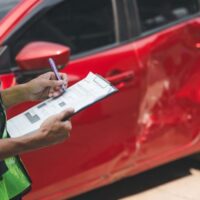
CarInsuranceEvaluation

When a car accident claim is filed in Illinois, insurance companies follow a structured process to evaluate liability and damages.

The review typically begins with an examination of the accident report, policy details, and initial statements from the involved parties. Adjusters are tasked with determining whether the claim falls within the scope of coverage and whether any exclusions apply.

Illinois follows a modified comparative negligence system under 735 ILCS 5/2-1116. Under this rule, an injured person may recover damages if their share of fault is 50% or less, although the amount recovered is reduced in proportion to their percentage of fault. If the claimant is more than 50% at fault, recovery is barred.

This legal framework plays a central role in how insurers assess Illinois car accident claims because fault can directly affect the value of a personal injury claim.

Quick Take

Insurance adjusters generally evaluate coverage, fault, vehicle damage, medical evidence, lost income, policy limits, and other documentation before determining what they believe a car accident claim is worth.


Key Factors That Influence Car Accident Claim Valuation

Insurance companies rely on a combination of documentation, evidence, and legal standards to determine the value of a claim. Several factors are consistently evaluated:

01

Police Reports

May document the circumstances of the collision, involved parties, witnesses, and citations.

02

Photos and Video

Can preserve vehicle damage, road conditions, traffic signals, injuries, and other details from the accident scene.

03

Medical Documentation

Can help connect accident injuries to the collision and establish the nature and extent of treatment.

04

Witness Statements

Independent witnesses may help clarify disputed facts about how the crash occurred.

05

Expert Analysis

Depending on the case, experts may help explain accident reconstruction, medical issues, or financial losses.

Adjusters may also consider whether pre-existing conditions contributed to the injuries claimed. This can lead to closer scrutiny of medical documentation, prior treatment, and the timeline of symptoms following the accident.

Why This Matters

A car accident claim is rarely evaluated based on one document alone. Insurers often compare multiple sources of evidence to decide whether the facts, injuries, and requested compensation are consistent.


The Role of Evidence in Strengthening a Claim

Evidence is central to the evaluation process. Insurance companies analyze both physical and documentary evidence to reconstruct the accident and assess damages. Photographs, surveillance footage, witness statements, and expert opinions can significantly influence the outcome.

Prompt reporting and thorough documentation can strengthen a personal injury claim. Delays or inconsistencies in reporting may raise questions that insurers may rely on when evaluating liability or making settlement offers.

01

Police Reports

May document the circumstances of the collision, involved parties, witnesses, and citations.

02

Photos and Video

Can preserve vehicle damage, road conditions, traffic signals, injuries, and other details from the accident scene.

03

Medical Documentation

Can help connect accident injuries to the collision and establish the nature and extent of treatment.

04

Witness Statements

Independent witnesses may help clarify disputed facts about how the crash occurred.

05

Expert Analysis

Depending on the case, experts may help explain accident reconstruction, medical issues, or financial losses.


How Insurers Calculate Settlement Offers

Once liability and damages are assessed, insurance companies calculate a settlement value. Economic damages such as medical bills, lost income, and repair costs are often supported by invoices, records, and other documentation.

Non-economic damages, including pain and suffering, are more subjective. Insurers may consider factors such as the severity of the injury, duration of treatment, recovery time, physical limitations, and the overall effect of the accident on the injured person’s life.

Economic Damages

May include medical expenses, vehicle damage, lost wages, and other measurable financial losses caused by the accident.

Non-Economic Damages

May include pain and suffering, disability, disfigurement, and other losses that do not have a simple invoice or fixed dollar amount.

Insurers have financial incentives to control claim payouts while remaining within their contractual and legal obligations. As a result, an initial settlement offer may not always reflect the full amount an injured person believes their claim is worth. Negotiation may be necessary before a claim is resolved.

Common Misconception

An insurance company’s first settlement offer is not necessarily a final determination of what a car accident claim is worth. Settlement discussions can involve additional documentation, legal arguments, and negotiation.


How the Insurance Claim Evaluation Process Often Works

Although every claim is different, an Illinois car accident claim often moves through several common stages:

1

The Claim Is Reported

The insurer receives notice of the accident and begins gathering policy and loss information.

2

Coverage Is Reviewed

The adjuster reviews the policy, applicable coverage, limits, and potential exclusions.

3

Fault Is Evaluated

Police reports, statements, photographs, traffic laws, and other evidence may be reviewed to assess responsibility for the crash.

4

Damages Are Reviewed

Medical records, bills, lost income, vehicle damage, and other losses are evaluated.

5

A Settlement Position Is Reached

The insurer may make an offer, deny the claim, request additional information, or continue negotiations depending on the circumstances.


Regulatory Oversight and Illinois Claims-Handling Standards

Insurance claim handling in Illinois is subject to state insurance laws and regulations. The Illinois Department of Insurance oversees insurers operating in the state, and Illinois Administrative Code Part 919 establishes standards relating to the investigation and disposition of insurance claims.

For example, Illinois regulations require insurance companies to affirm or deny liability within a reasonable time and contain additional requirements relating to explanations of certain claim denials or lower offers. Automobile insurers are also subject to specific claims-handling provisions concerning unreasonable delays.

Claims Investigation

Illinois regulations establish minimum standards for the investigation and disposition of claims.

Explanations and Decisions

Certain claim decisions may require written explanations regarding the basis for a denial or reduced first-party payment.

Automobile Claim Delays

Illinois regulations also address unreasonable delays in private passenger automobile claims.


Contact an Attorney if You Have Been in an Accident

Insurance companies evaluate car accident claims in Illinois through a detailed process that balances legal standards, evidence, coverage, and financial considerations. From determining fault under comparative negligence rules to assessing damages and policy limits, each step can influence the value and outcome of a personal injury claim.

For individuals navigating this process, understanding how claims are evaluated can make a meaningful difference. If you have been injured in a car accident, we can help. Our Urbana car accident attorneys at Patel Law, PC have extensive experience providing support and representation to residents of the area. Contact us today to discuss your case and protect your rights.

Talk With Patel Law, PC

If you were injured in an Illinois car accident and have questions about an insurance claim, our team can discuss your situation and legal options.

Call us: 217-384-1111


Frequently Asked Questions About Illinois Car Accident Insurance Claims

How does an insurance company determine fault after a car accident?

An insurer may review police reports, driver statements, witness accounts, photographs, video footage, traffic laws, vehicle damage, and other evidence when evaluating fault.

Can I recover compensation if I was partly at fault in Illinois?

Under Illinois’s modified comparative negligence rule, a plaintiff may recover damages if they are 50% or less at fault, but their damages are reduced according to their percentage of fault. A plaintiff who is more than 50% at fault is barred from recovery.

What documents can affect the value of a car accident claim?

Medical records, medical bills, repair estimates, wage records, photographs, police reports, witness statements, and other supporting evidence may all affect how an insurer evaluates a claim.

Do I have to accept the insurance company’s first settlement offer?

No. A settlement offer can be evaluated based on the circumstances of the accident, available evidence, medical treatment, damages, insurance coverage, and other factors before a claim is resolved.

Are Illinois insurance companies subject to claims-handling rules?

Yes. Illinois insurance companies are subject to state insurance laws and regulations, including claims-handling standards contained in Part 919 of Title 50 of the Illinois Administrative Code.


Sources

Illinois General Assembly — 735 ILCS 5/2-1116

Illinois Administrative Code — Title 50, Part 919: Improper Claims Practice

Facebook Twitter LinkedIn